What
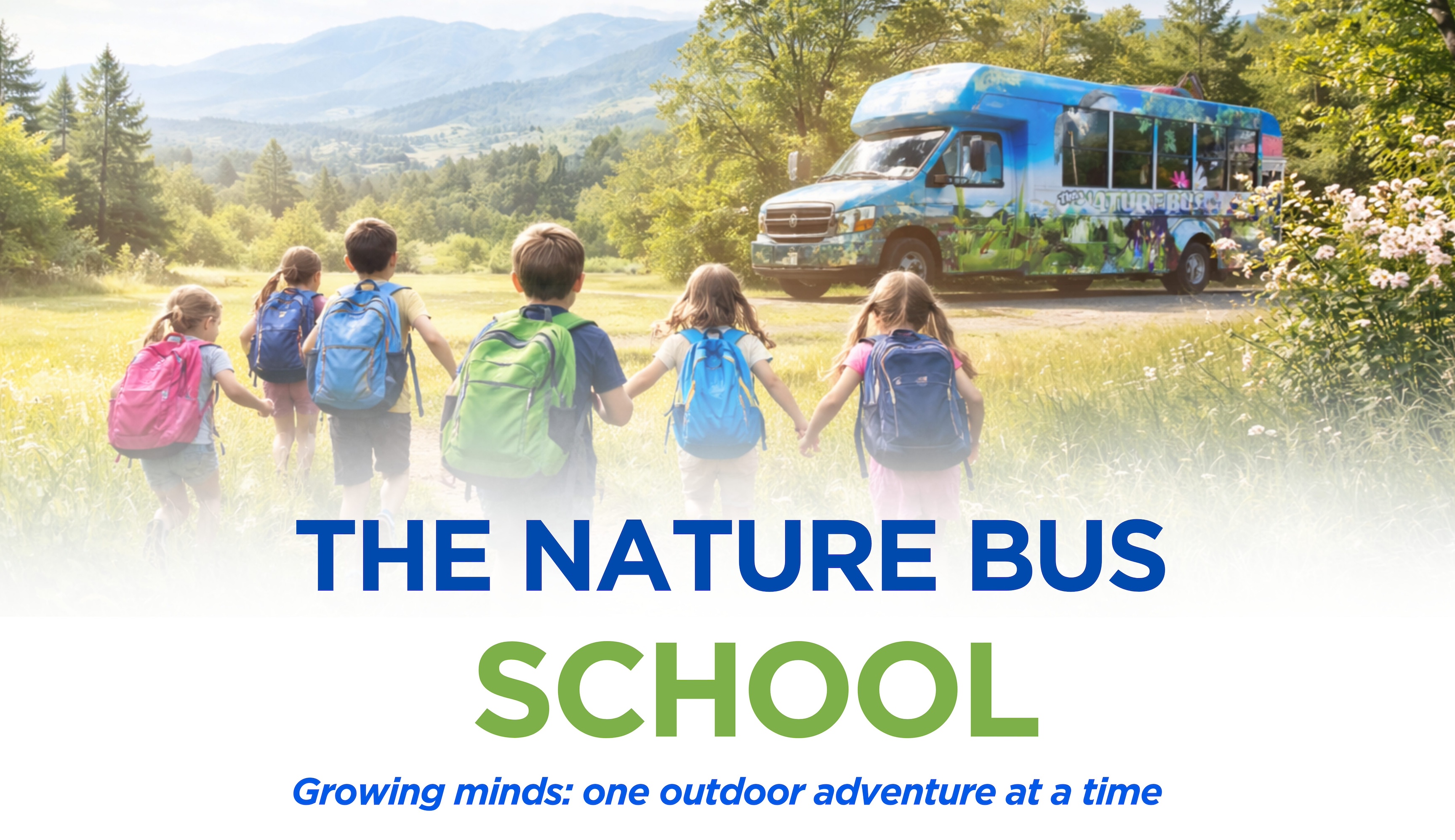
The Nature Bus School is a mobile private school. Learning happens outdoors and in the local community.
Enrollment
Small by design — just 16 children
10% discount if enrolled by April 1, 2026
Grades
Serving Pre-K – 1st in fall 2026
Expanding one grade level every year.
Curricula
Inspired by the best elements of Montessori, Waldorf, Reggio Emilia, and Forest School — adapted for outdoor, real-world learning
Schedule
Monday–Friday | 8:30 AM–3:30 PM
Departure & Pickup
Corner of 29-N (Seminole Trail) and Route 609 (Fredericksburg Road) in Ruckersville
Start of School Year
Late August 2026
Educators
A Mother-Daughter Team; Licensed Virginia Teacher (PreK–6) and an Environmental Scientist (Duke University).
Credibility
Built on 10+ years of trusted outdoor learning and 200+ 5-star reviews, with parent testimonials
What Makes Us Different
What if your child loved school and felt excited to be there each day?
What if learning felt meaningful instead of rushed or repetitive?
What if your child learned at their own pace, building confidence and strong foundations in reading, writing, and math?
And what if they grew year after year with familiar peers and teachers, forming deep friendships in a school that feels like a close-knit community?
At The Nature Bus School, we reimagine education.
Because our program is intentionally small and readiness-based, children receive individualized attention and move forward when they are truly ready. As the school grows, children grow with it, learning alongside familiar peers and teachers who know them well. This continuity allows deep friendships, clear expectations, and trusting relationships to form over time.
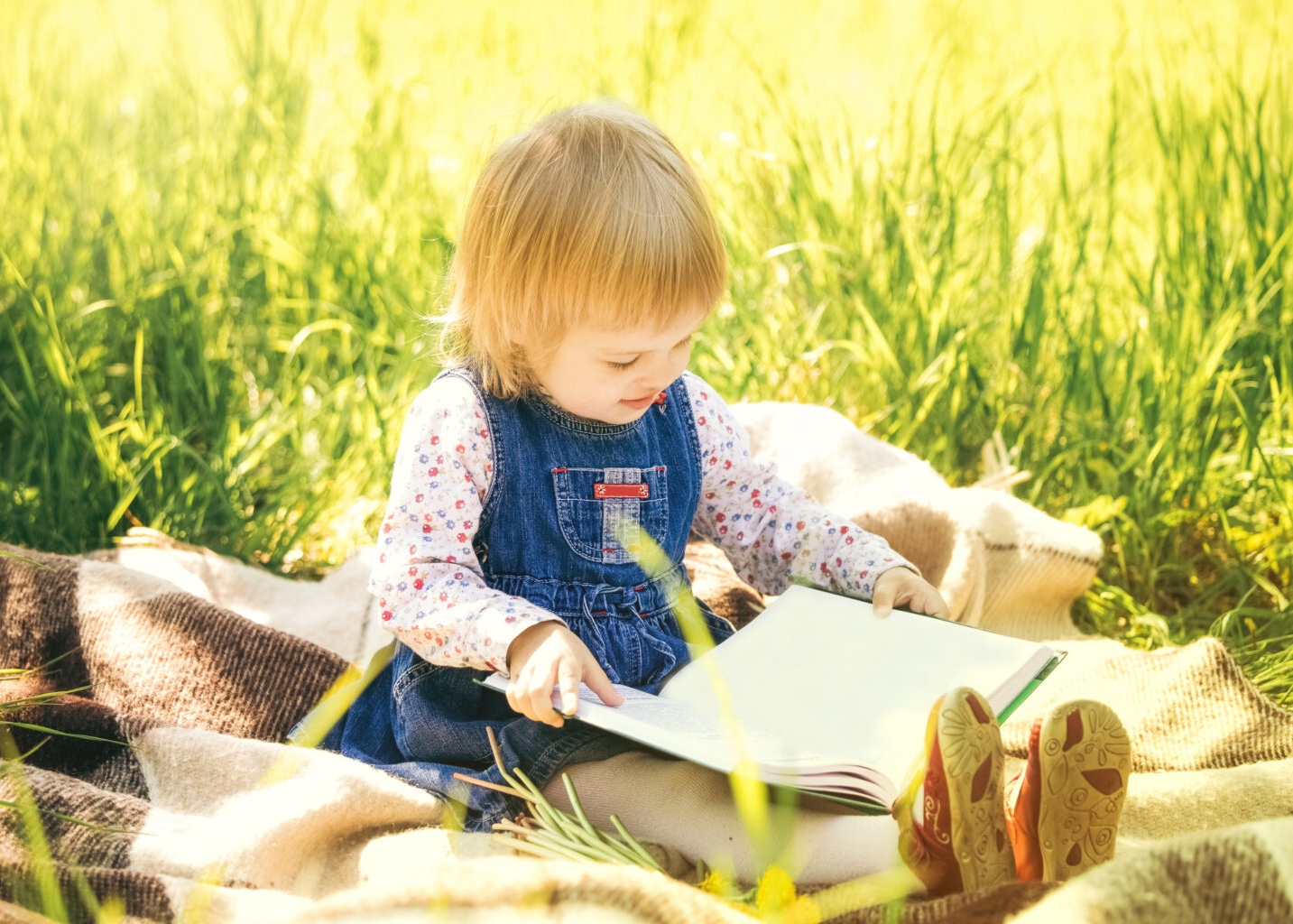
Learning doesn’t happen inside four walls here. It happens outdoors and throughout the community, where lessons feel relevant, memorable, and connected to real life.
Decades of research show that young children learn more deeply and regulate themselves more effectively when learning is active, outdoors, and thoughtfully guided.
What truly sets us apart is that we are mobile.
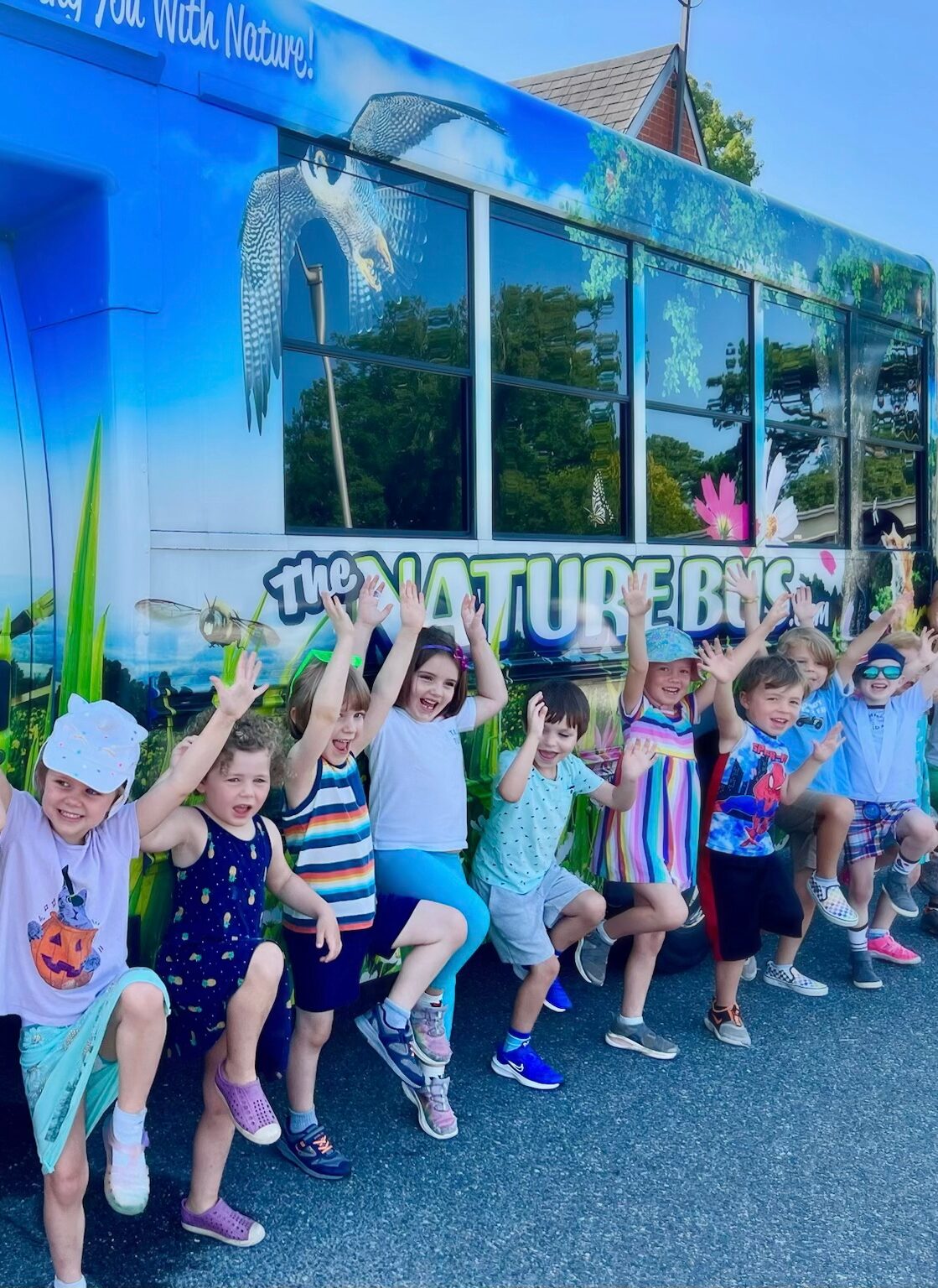
Children explore different environments throughout the week, which keeps curiosity high and learning fresh. At the same time, the bus, teachers, daily rhythm, and expectations stay consistent. While the locations vary, the educational stability of the school does not.
The result:
- calm and curiosity
- structure and flexibility
- consistency and inspiration
This is the kind of education and experience your child deserves.
A School That Grows With Your Child
The Nature Bus School is designed to grow alongside its students and families. We begin by serving children in Kindergarten through 2nd Grade and add one grade level each year so children can remain in a familiar, supportive environment as they grow.
Children learn with the same core teachers throughout their enrollment, allowing educators to truly know each child and provide thoughtful, individualized guidance. As the school grows, children grow with it, alongside peers they trust, building deep friendships and naturally stepping into leadership roles.
How the school grows:
- 2026–2027: Pre-K through 1st Grade
- 2027–2028: Kindergarten through 2nd Grade
- 2028–2029: 3rd Grade through 5th Grade
- (and so on)
How Grade Levels Work in a Small School
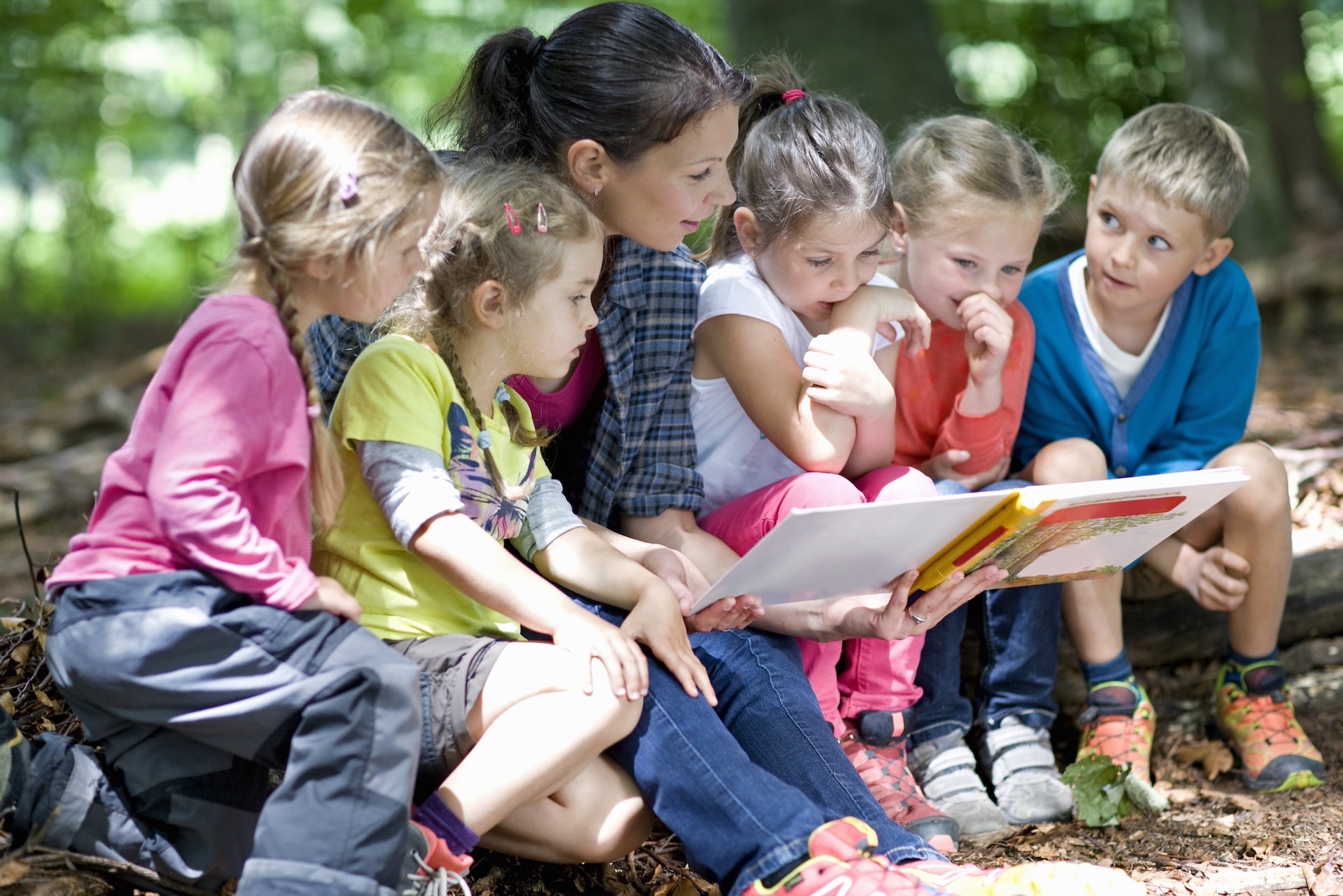
The Nature Bus School has just 16 total seats. This allows for close relationships and individualized attention, and it also means grade levels are planned carefully each year.
For our founding year, enrollment is intentionally balanced:
- 6 Pre-K students
- 5 Kindergarten students
- 5 First Grade students
Because learning is readiness-based, children engage with learning materials and lessons that are matched to their current knowledge level. For example, a child may be placed in a group level for one subject (ie math), while advancing in another subject (ie reading). When teachers observe mastery of the learning goal, the child will move ahead. This happens at any time of the school year – not requiring the child to wait until the next school year. This practice best supports each individual child most appropriately.
Our readiness-based model is revolutionary; children deserve this level of care and concern for their academic placement so they can reach their own personal intelligence potential, rather than being held back and bored – for the sake of “the group” as a whole.
Our priority is to place every child where they feel confident, capable, challenged, and supported.
Imagine a Day in the Life
The morning begins like any other.
Breakfast. Shoes. Backpack.
Then, instead of hurrying into a classroom, your child arrives at the parent drop-off location, nestled against the Blue Ridge Mountains where The Nature Bus awaits. The air feels fresh. There’s room to breathe. Your child steps onto bus, where they’re greeted by calm, reassuring teachers and their classmates. The tone is unhurried, safe, and warm. Your child is full of wonder and excitement for the day ahead!
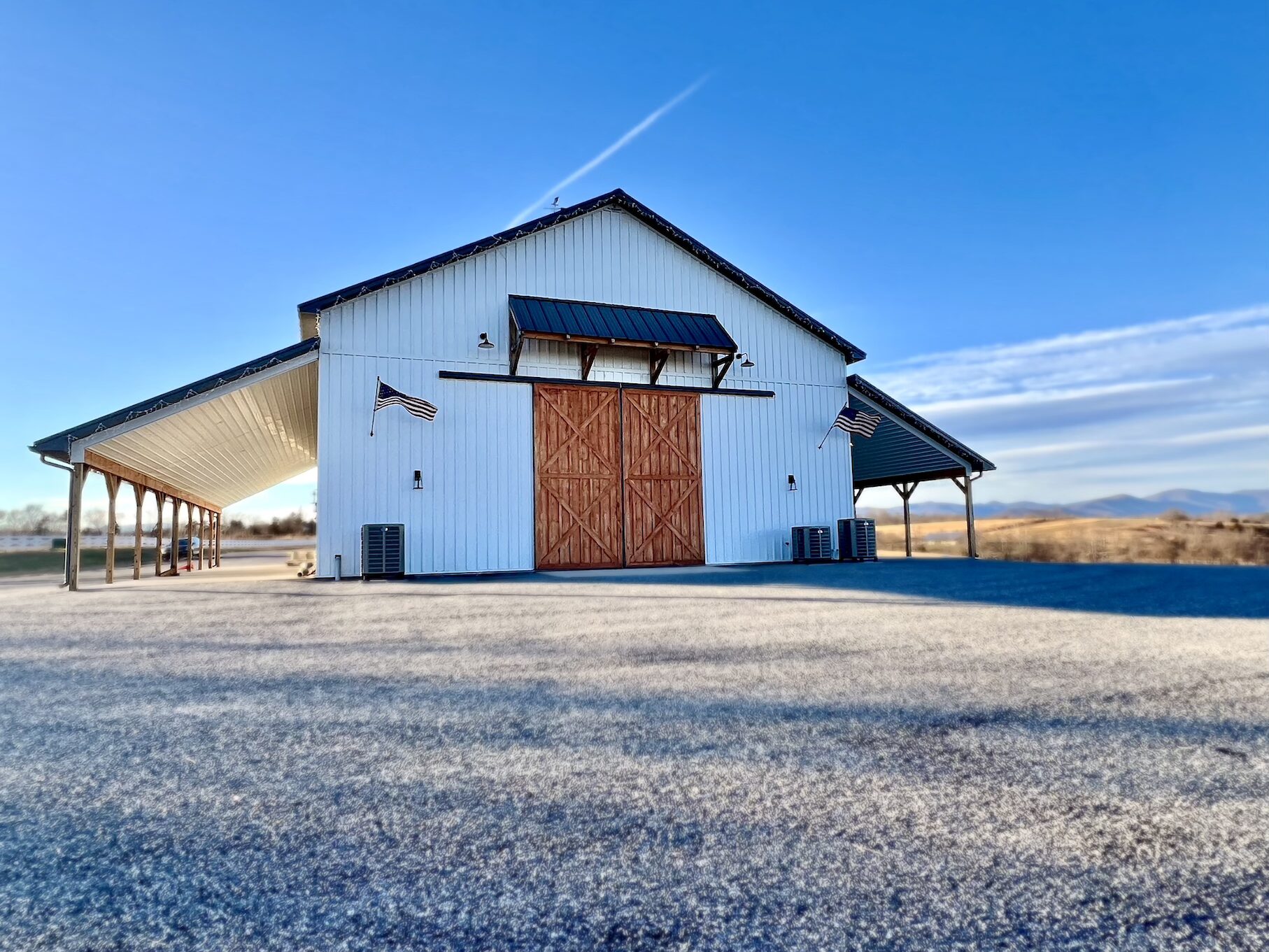
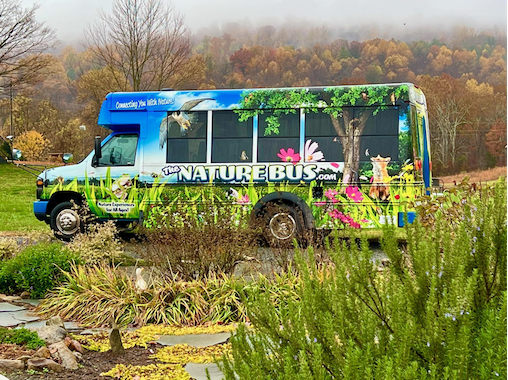
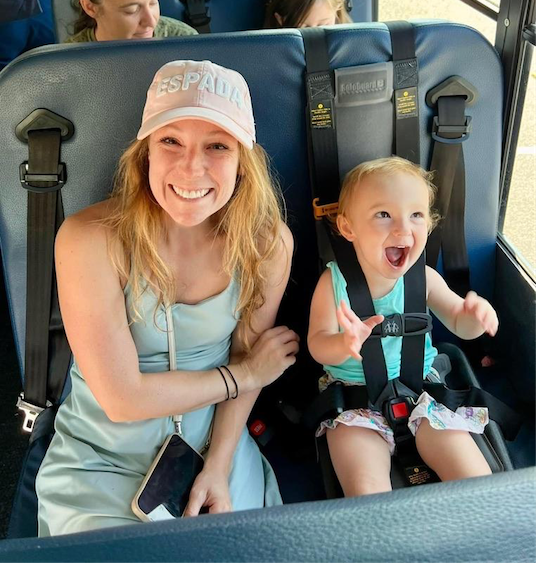
On the bus, the day opens with a sensory welcome – soft nature music, a hint of lavender essential oil in the air, a kind and smiling teacher gently helping your child navigate the 5-point harness booster seat provided. When all of the children are on board, the teacher leads a short mindfulness breathwork practice to help children settle-in, relax and prepare for the day ahead, full of wonder, adventure and learning. During the short ride, a teacher will share the day’s plan, sing peaceful seasonal nature songs, and the children will arrive at the destination grounded and ready.
Then the bus arrives at an exciting place to explore. Teachers assist with seatbelts, added layers of clothing as needed, and your child will step off of the bus, dressed for the weather, curious and ready for the daily nature hike.
Learning Begins With Wonder
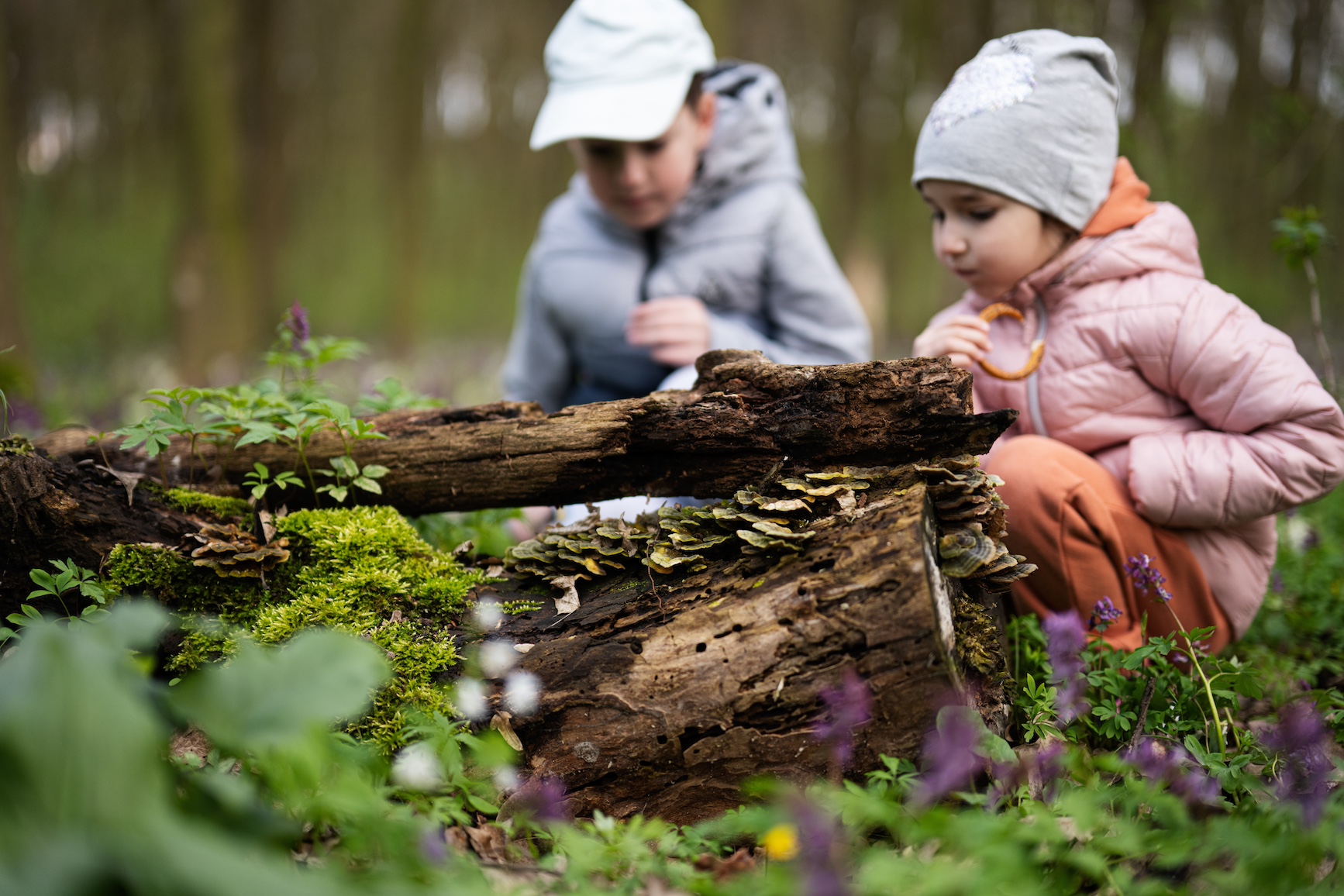
Each day begins with a guided nature hike where children observe using all five senses. They notice patterns, ask questions, and slow down.
This is not chaotic outdoor time. It is calm, respectful, observant, and deeply intentional.
According to Richard Louv, the world’s leading expert on the importance of children in nature:
“Time in nature is not leisure time; it’s an essential investment in our children’s health.”
The daily benefits are:
- calmer bodies
- focused minds
- children who are present rather than overstimulated
Strong Academics Without Pressure
After the daily nature hike, children engage in the daily core academics block: reading, math, and writing. Our nature-based, outdoor educational approach draws from the most respected and proven teaching & learning methods: Montessori, Waldorf, and Reggio Emilia, and Forest School traditions, adapted for outdoor and real-world learning. Our curricula is inspired by these esteemed perspectives.
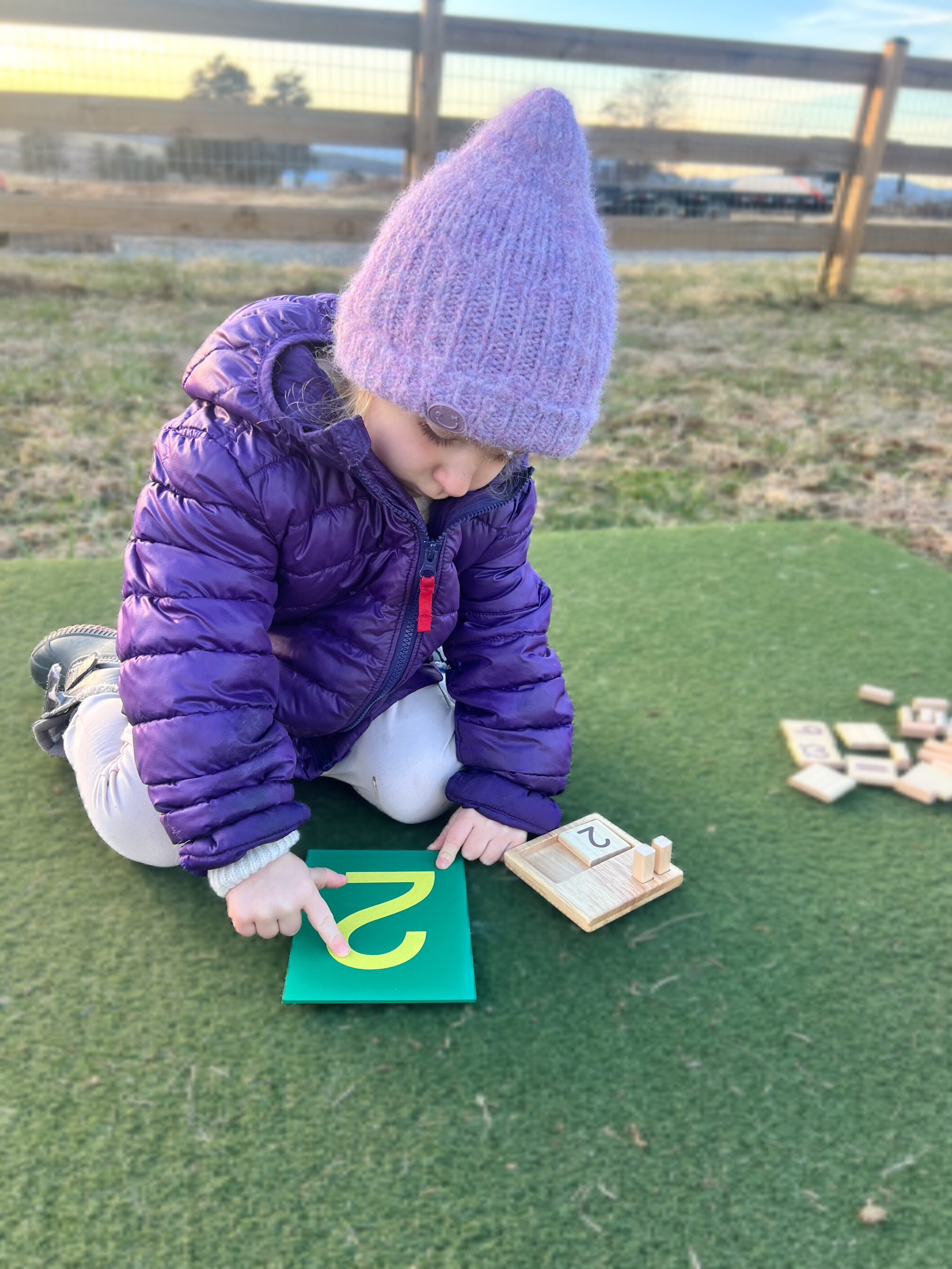
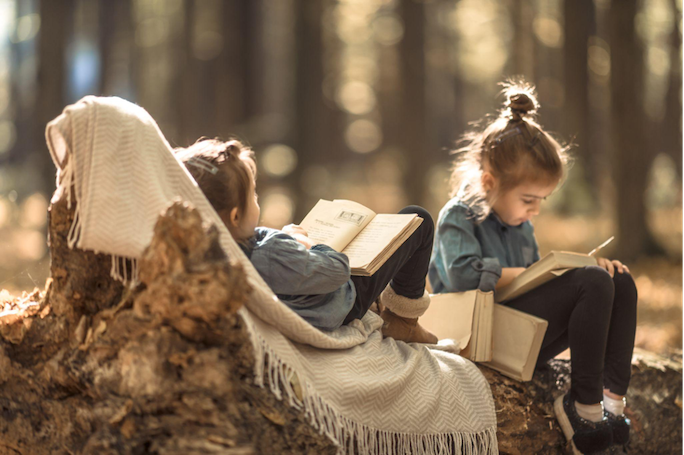
For the core academic block, children will be in small, readiness-based groups. Children learn math using Montessori hands-on materials. We use “Wonder-based Literacy” in the Waldorf-inspired style. Reading is explicitly taught. Reading and writing activities are captivating and developmentally responsive.
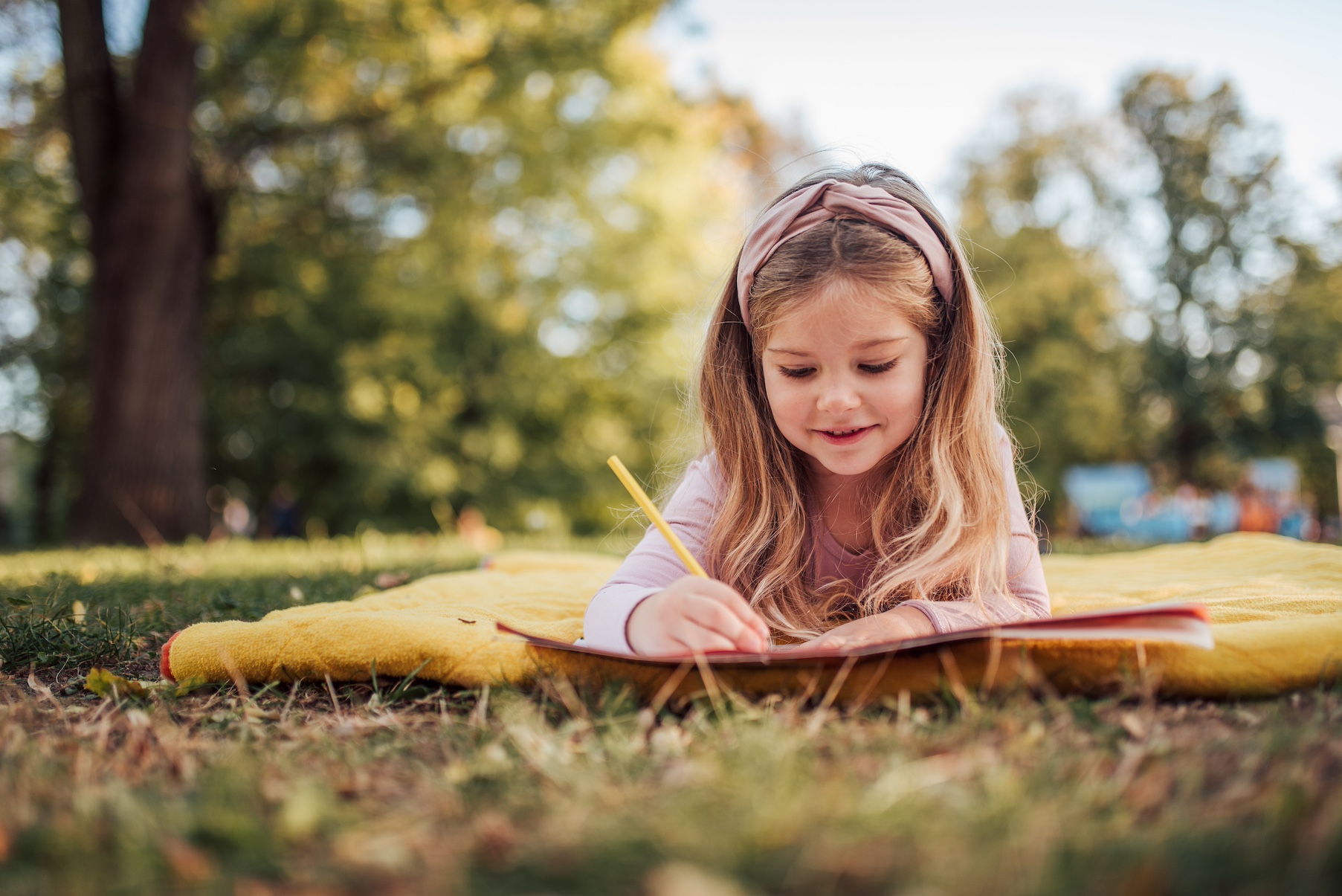
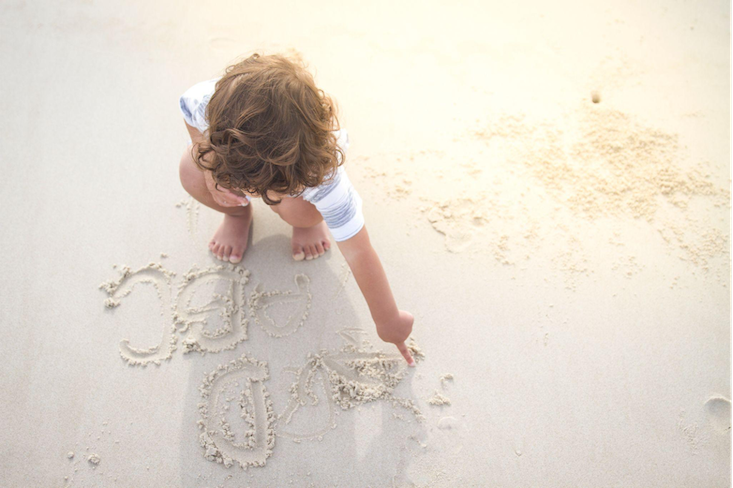
Afternoons are intentionally set aside for deeper exploration. Children engage in all-age, project-based learning where science, social studies, art, and music are integrated. Topics emerge from children’s curiosity, and learning feels meaningful rather than forced. Borrowed from the Reggio Emilia approach, this involves teachers observing children’s sparks of interest, then providing learning opportunities and developing in-depth, collaborative projects around those interests. Valuing each child’s promotes a love-of-learning, helps children make connections across subjects, develop creativity and critical thinking, and learn cooperation instead of competition.
The Nature Bus School Curricula aligns with:
- Virginia Foundation Blocks
- NAEYC best practices
- North American Association for Environmental Education
- Virginia Standards of Learning
- Core Knowledge Foundation Cultural Literacy “What Children Need to Know” Sequence
These national and state standards serve as guiding points of reference for our teachers to assure that our students meet, and exceed, the recommended essential core knowledge. Professional teacher observation, rather than standardized testing, provides the important information that guarantees each child gets the education they deserve.
Learning is mastery-based:
- children move ahead when ready learning goals are mastered
- no one child is held back when ready for more advanced learning
- no one child is pushed too fast
There are:
- no worksheets
- no standardized tests
- no screens
Instead:
- teachers observe readiness closely
- children move at their own personal pace
- progress is chronicled through real work and milestones – using documentation (photos, words, art) to make learning visible and guide further inquiry
- learning stays engaging and meaningful, developmentally appropriate and exciting
Built-In Time to Play, Rest, and Reset
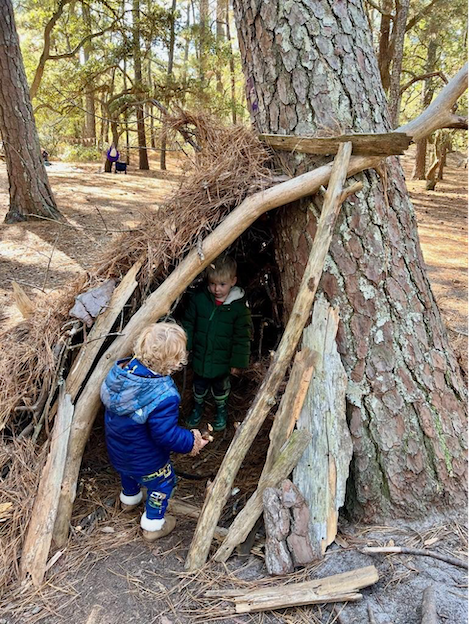
Throughout the day, children move between focused learning and regular opportunities for unstructured play and rest. These moments are not breaks from learning—they are a vital part of learning.
Unstructured play supports:
- independent problem-solving
- creativity and imagination
- emotional regulation
- social growth and cooperation
Children are given time to explore, invent games, rest their bodies, and follow their own ideas – without adult direction or performance pressure. This balance helps children stay engaged, calm, and ready to learn when it’s time to return to guided activities.
Our days are designed to honor children’s natural rhythms, recognizing that deep learning happens best when focus is balanced with freedom.
Wandering Wednesdays – Learning in the Real World
Once a week, learning expands beyond our regular locations and into the wider community.
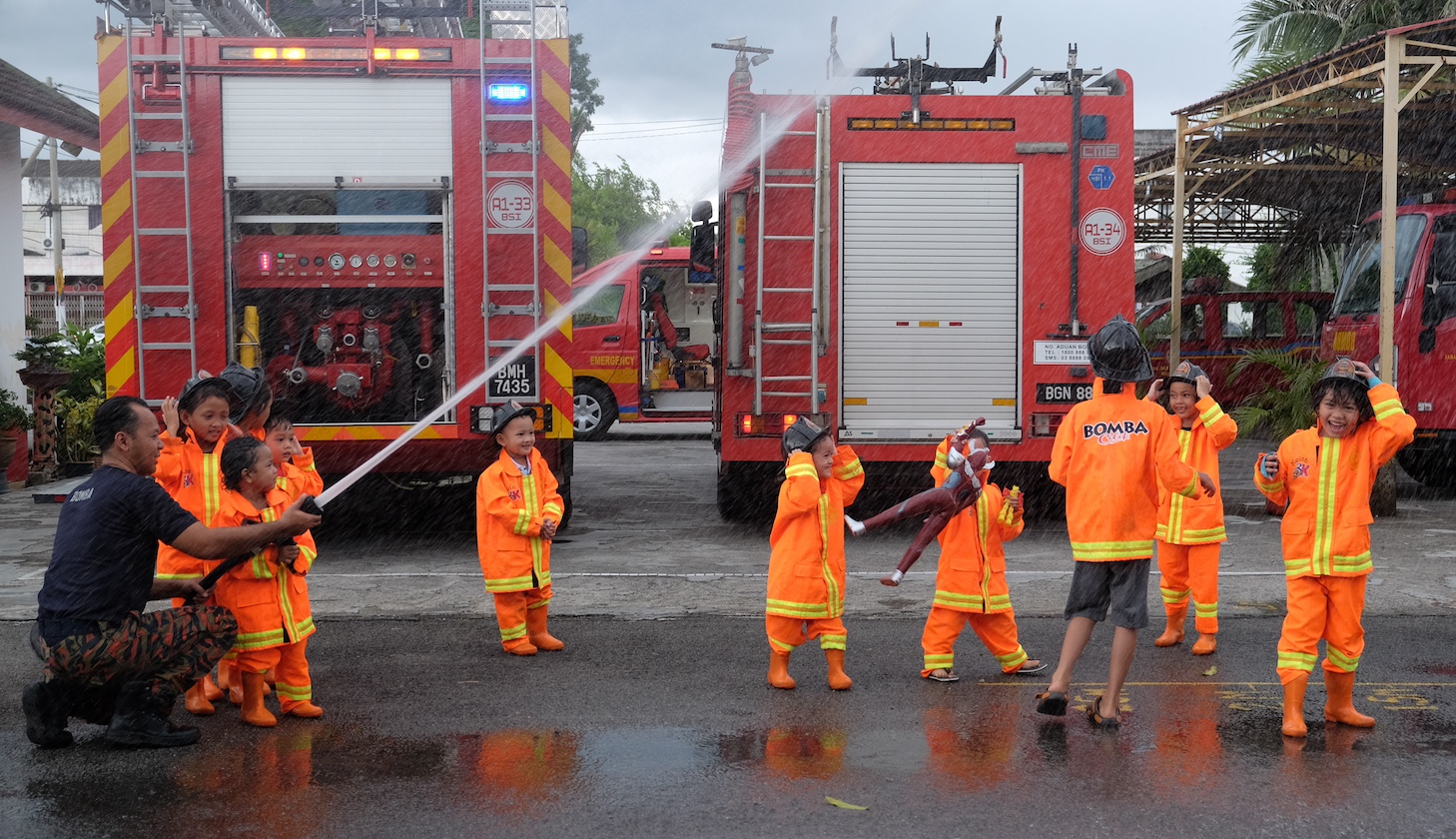
Wandering Wednesdays are full-day explorations where children learn how the world actually works by being part of it. Children visit and learn from farmers, park rangers, artisans, historians, and other community members.
These days are designed to be immersive and memorable. New environments spark curiosity, strengthen attention, and help learning stick. Skills practiced in different settings become more flexible and meaningful over time.
Children don’t just observe – they engage.
They learn how to:
- Speak confidently with adults
- Ask thoughtful, respectful questions
- Interact across ages and roles
- Understand how communities function and depend on one another
- See themselves as capable participants in the world around them
By learning in real places with real people, children begin to feel a genuine sense of connection and responsibility to their community. These experiences shape how children understand the world – and how they imagine their place in it.
Why should children spend their days isolated in classrooms when the real world is ready to teach?
Who This School Is For
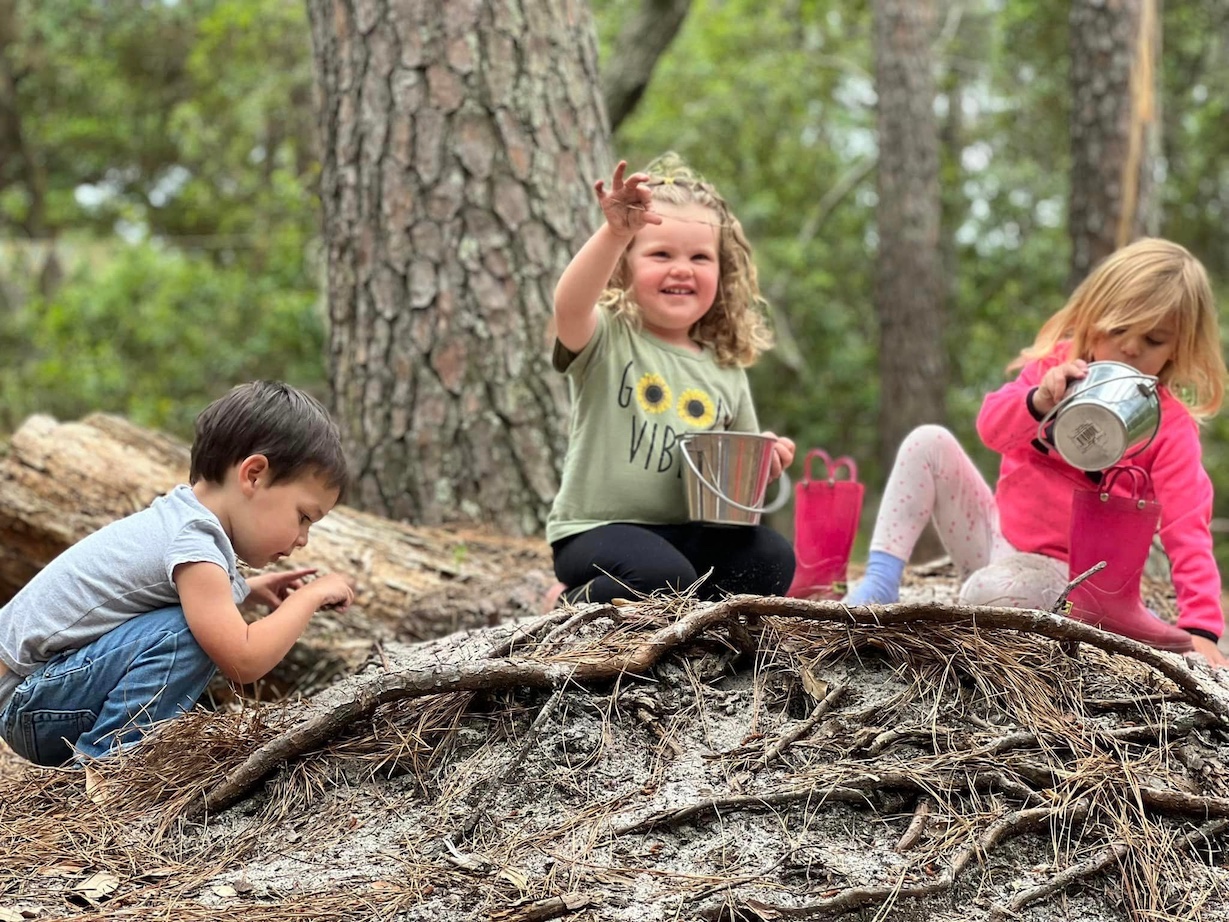
This program is designed for children who are:
- curious and eager to explore
- comfortable spending most of the day outdoors in all types of weather
- responsive to calm structure and clear expectations
It is a good fit for families who:
- want their child to love learning
- value strong academics and meaningful experiences in nature and in the local community
- believe childhood should be thoughtful rather than rushed
- inspired to reimagine education with us
Safety and Supervision
Safety is foundational to everything we do.
On the Nature Bus
- age-appropriate restraints and seat belts
- CDL-qualified driver
- daily attendance and headcount routines
- CPR and First Aid–certified staff
In the Field
- small-group supervision
- clear physical boundaries and expectations
- predictable transitions and frequent headcounts
- gentle, age-appropriate risk-awareness teaching
Founder’s Note
A personal reflection on the experiences and values that shaped The Nature Bus School, and the vision behind creating a school that honors childhood, individuality, and meaningful learning.
Research Informing Our Approach
We’ve compiled a research-informed overview of how learning outdoors and in the community supports focus, emotional regulation, and academic growth—while keeping learning engaging, grounded, and developmentally appropriate.